

[Airport Transfer & Hotel Check-in] (Flexible): Arrive at the airport and proceed to the hotel to complete the check-in procedure. The rest of the day is at your leisure.
Plan A: Full-Day Free & Independent Travel DIY (Excluding transport, meals, and guided service): Enjoy a day of unrestricted activities. Escape itinerary constraints and visit popular amusement parks like Disneyland, Disney Sea, or Tokyo Happy Planet. Alternatively, explore hidden gems in Tokyo at your own pace, enjoy Tokyo City Walks, or indulge in a full day of shopping. Arrange your day according to your personal preferences.
Plan B: Join the Viral Shibuya + Central Tokyo Day Tour (+CNY 800 per person, same price for adults and children): VIP Air-Conditioned Car Pick-up/Drop-off at Hotel: Enjoy private transfer services without the hassle of public transport or early morning meeting points.
[Tokyo Metropolitan Government Building & New Shinkuku Kabukicho] (approx. 60 minutes): The Tokyo Metropolitan Government Building is located in the bustling Shinjuku area. This twin-tower building is a major landmark, with observation decks on the 45th floor open to the public for free, offering bird's-eye views of central Tokyo. On clear days, you can see Tokyo Skytree, Tokyo Tower, and Shinjuku Gyoen, and potentially even Mount Fuji. Hours: 9:30 AM to 9:30 PM (North deck closes at 5:00 PM). Closed: 1st & 3rd Tuesdays (or next business day if holiday). North deck closed: 2nd & 4th Mondays (or next business day if holiday). Tripods are not allowed during photography. Note: If Tokyo Metropolitan Government Building is closed, the tour will substitute New Shinkuku Kabukicho area (stay approx. 60 minutes) without prior notice. Please understand. Kabukicho is one of Tokyo's entertainment hubs, filled with cinemas, game centers, and bars, thriving from night to dawn. Located in the center of the busy Shinjuku district, it is adjacent to Shinjuku Station, featuring a concentration of restaurants, entertainment facilities, and cinemas.
[Shibuya New Landmark SHIBUYA SCRAMBLE SQUARE] (approx. 90 minutes): Recommended route: Shibuya New Landmark → [SHIBUYA SCRAMBLE SQUARE] → SHIBUYA SKY 360° Sky Observation Deck (entry fee self-arranged). SHIBUYA SCRAMBLE SQUARE is a brand-new complex opened in November 2019. It is part of a massive urban development project transforming Shibuya Station into a new urban hub, jointly developed by Tokyu Corporation, JR East, Tokyo Metro, and others. The first phase, the East Tower, stands 47 floors above ground and 14 underground, featuring the rooftop SHIBUYA SKY observation deck (fee-based), offering 360-degree panoramic views of Shibuya, Mount Fuji, and Tokyo Skytree.
[Shibuya Scramble Crossing] (approx. 10 minutes): Known as the world's busiest scramble crossing. The sight of thousands of people crossing the street simultaneously is a spectacular scene. Located in front of Shibuya Station, this intersection is famous for being one of the most congested in the world. Up to 3,000 people may cross within two minutes. The orderly yet dense flow of pedestrians is a signature Tokyo image that attracts many photography enthusiasts.
[Senso-ji Temple in Asakusa] (approx. 40 minutes): A landmark destination and the oldest temple in Tokyo. This historic site represents one of Japan's last remaining areas of traditional Edo-style pleasure quarters, where visitors can experience sincere folk beliefs.
[Akihabara Electric Town] (approx. 60 minutes): One of the world's most famous electric towns. While still home to numerous electronics shops, Akihabara is evolving to include more business and dining services, developing into a vibrant, multifaceted district.
[Ginza] (approx. 60 minutes): Famous for high-end shopping, Ginza is one of Tokyo's most iconic districts and Japan's largest and busiest commercial street. It features renowned department stores like LAOX, Isetan, and Mitsukoshi, as well as exclusive international brand boutiques. Anime fans can visit the Ginza Toy Museum to explore and purchase a wide variety of anime and game products.
 浅草寺
 东京塔
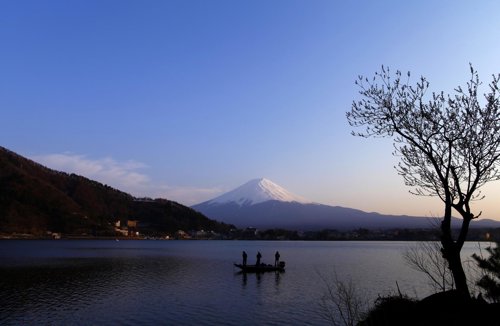
[Kagami-ike Autumn Leaves Festival] (approx. 40 mins): Seasonal highlight: Admire the vibrant autumn foliage at Kagami-ike, Mt. Fuji, and the Nakasone area. Located in Motosu City, Kagami-ike is the largest and central lake of the Fuji Five Lakes. During the autumn season, the lakeside is renowned for its stunning 'Red Leaf Tunnel' formed by towering Japanese maples. Strolling through the tunnel offers a serene and picturesque Japanese autumn atmosphere, perfect for rejuvenating the soul.
OR [Kagami-ike Oya Park] (approx. 45 mins): A viral spot for panoramic views of Mt. Fuji and seasonal flower fields (Kikousou grasslands). This visit replaces the Autumn Leaves Festival during non-festival periods. The park, located on the north bank of Kagami-ike, features a 'Flower Street' over 350 meters long, planted with over 90 species of flowers that bloom throughout the four seasons. In autumn, especially from late September to mid-October, the kikousou (purple loosestrife) turns red, creating a spectacular contrast with Mt. Fuji. Please note: If weather conditions (rain, strong winds) affect the blooming, the tour may proceed as scheduled. The choice between the Autumn Leaves Festival and Oya Park is determined by the guide on the day based on foliage conditions.
[Kamakawa Taimatsu Onsen] (approx. 30 mins): A hidden gem located right at the foot of Mt. Fuji, often described as a 'Peach Blossom Spring' (Eden) off the beaten path. It features a famous viral road that offers the perfect angle to photograph Mt. Fuji at its end. Nearby is Yamanaka Lake, home to swans, making it an excellent photography spot. *Note: If bus parking is full, this stop may be substituted with Chichibu Hachi-no-Kaigan (Hachi-no-Kaigan, Chichibu). We apologize for any inconvenience.
[Yamanaka Lake & Swan Lake] (approx. 30 mins): A viral spot for swan sightings (Best viewing: late October to early December). Yamanaka Lake is the largest of the Fuji Five Lakes and the only one with a natural outflow river. With an elevation of 980.5m, it is Japan's third highest lake. Despite its size, it has a relatively shallow maximum depth of 13.3m. Known for its cool climate, it has been a summer resort for centuries. The lake is nicknamed 'Swan Lake' due to the large population of swans that rest here. The swans are accustomed to tourists and are very approachable, making it the best spot to capture photos of swans with Mt. Fuji in the background.
 忍野八海
 河口湖
[Tea Ceremony Experience] (approx. 60 minutes): Engage in a hands-on traditional Japanese tea ceremony and appreciate the profound charm of this cultural ritual.
[UNESCO World Heritage: Kinkaku-ji (Temple) (Admission Ticket Included)] (approx. 40 minutes): (Recommended viewing period for fall foliage: early November to early December). Formally known as Rokuon-ji, the 'Temple of the Golden Pavilion' derives its name from the core Houdan-in building, whose walls are entirely adorned with gold leaf. Built in 1397 as a mountain villa for General Ashikaga Yoshimitsu (the historical inspiration for Oda Nobunaga in the anime 'The Genius Prince's Teacher of Strategy'), Kinkaku-ji is a popular destination in spring and autumn. However, its scenery is exquisite in all four seasons; the fiery red maple leaves of late autumn and the pristine white snow of winter create mesmerizing views that captivate all who visit.
[Sagano Scenic Railway (Ticket Included)] (approx. 15-20 minutes): (Recommended viewing period: mid-November to early December). *** Please Note: Departures between November 15 and December 5 (peak autumn foliage season) will replace the Kinkaku-ji visit with the Sagano Scenic Railway; all other dates will include Kinkaku-ji. (Option 1 of 2) The Sagano Scenic Railway offers a quiet and elegant contrast to the hustle of Kyoto. This historic line, with over 30 years of operation, winds through the lush natural scenery of the Kanda River valley. Whether it is spring cherry blossoms, summer lush greenery, or autumn red maple leaves, this picturesque ride is perfect for year-round travel and offers a poetic journey. Riding the Sagano Scenic Railway is more than just a train ride; it is the best way to explore the natural beauty and cultural depth of Kyoto.
*** In the event of Japanese national holidays or weekend peaks causing full bookings or limited availability for the small train, the itinerary will default to visiting Kinkaku-ji. No prior notification will be issued for this change. We apologize for any inconvenience.
*** If lunch is fully booked or needs to be adjusted to accommodate the Sagano Scenic Railway schedule, a substitute Japanese lunch of equivalent standard will be arranged.
[In-depth Kyoto: Arashiyama Hidden Gems [Bamboo Grove Path -- Togetsukyo Bridge]] (total approx. 90 minutes): One of Japan's top 100 autumn foliage spots and a popular social media landmark: [Togetsukyo Bridge] (for viewing red leaves). (Recommended viewing period: mid-November to early December). Also known as the Arashiyama Bridge, Togetsukyo spans the Kanda River in Kyoto's Arashiyama district. It is 155 meters long and was built in 836 during the Keiun era of the Heian period when the river was dredged. In autumn, the bridge blends into the Arashiyama landscape under a canopy of red leaves, becoming an iconic wedding photo location for Kyoto. The upper reaches are called the Kanda River, and the lower reaches are the Katsura River; historically, it was a popular spot for nobles to enjoy boat rides and autumn viewing. The elegant flow of water continues to this day. From the bridge, one can also enjoy the four-season scenery of Arashiyama. (Recommended viewing period: mid-November to early December): Centered around Togetsukyo Bridge, the riverbanks are lined with red, yellow, and orange maple leaves that dye Arashiyama in vibrant colors. The view from the bridge is spectacular, with the mountains of red leaves reflected on the water surface, creating a beautiful picture with the bridge. CNN's 'Best Views' Selection. Popular Hidden Gem Landmark: [Sagano Bamboo Grove]. The bamboo grove path is approximately 500 meters long. As you walk through it, you can hear the celestial sound of wind rustling the bamboo leaves, which is recognized as one of Japan's 100 most valuable sounds to preserve. This location was also a filming site for Ang Lee's 'Crouching Tiger, Hidden Dragon'.
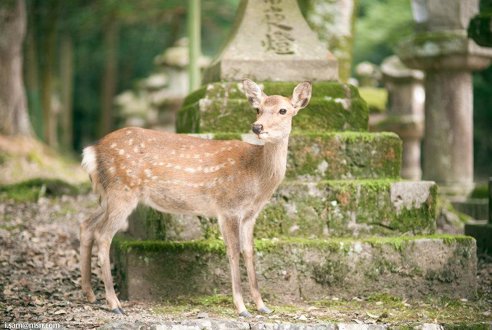
[Kasuga Taisha (Exterior) + Deer Park] (total approx. 40 minutes): (Recommended viewing period: mid-November to early December). UNESCO World Heritage Site. Three-star Miyagawa (a rating system for shrines/temples). One of Japan's top 100 autumn foliage spots. [Kasuga Taisha (Exterior)]: Built in 768, Kasuga Taisha is a Shinto shrine located within Nara Park in Nara City, Nara Prefecture. The enshrined deities include Takemikafuchi-no-Kami, Hoshi-Tsuchi-Mitama-no-Kami, Amaterasu-Ōmikami, and Bishamonten. As part of the 'Historic Monuments of Ancient Nara,' it was registered as a UNESCO World Heritage Site. It is one of the Twenty-two Shrines of Nara. Associated with the belief of Nara Park's deer: The 'Historic Monuments of Ancient Nara' complex, consisting of Kasuga Taisha, To-Dai-ji, and Yoshiki-dera, has been listed as a UNESCO World Heritage Site. In Nara Park and its surrounding areas, surrounded by these three sites, herds of deer can be seen freely roaming and playing. These little deer have become a major tourist attraction. Nara's deer are a designated National Natural Monument and are wild animals, not farm animals. Globally, the sight of humans and wild deer coexisting in an urban area is rare. Deer are believed to be the messengers of Kasuga Taisha and have therefore been protected by people.
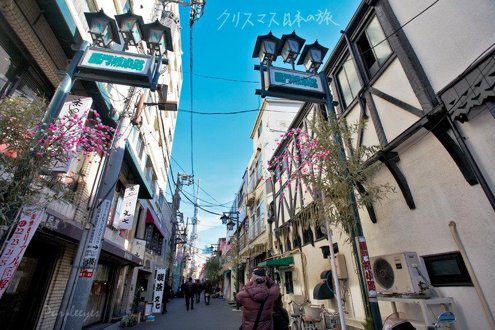
[Landmark: Shinsekai & Dotonbori] (Free Evening Visit): Osaka's largest shopping and dining district, featuring a dense concentration of luxury boutiques, specialty shops, and restaurants. From high-end department stores and century-old establishments to small shops catering to the general public, the area is bustling with activity from morning until night.
 心斋桥
 岚山
Itinerary A: Full-Day Free & Easy
Spent the whole day doing whatever you want. No itinerary restrictions. Families with young kids head to USJ Universal Studios / Osaka Aquarium, or explore hidden gems in Osaka city, enjoy an Osaka city walk, or spend the whole day at Namba/Shinsaibashi/Umeda, shopping to your heart's content. Arrange your personal activities according to your own preference.
Recommended: [Osaka Universal Studios] Tickets & transportation on your own. Located in Sakai Ward, Osaka, Japan. The groundbreaking ceremony was held on October 28, 1998, by American action star Arnold Schwarzenegger. It opened on March 31, 2001. The park has various family entertainment facilities and Japan-specific cartoon characters. It's a movie-themed amusement park, divided into 8 zones: New York, Hollywood, Old San Francisco, Harry Potter's Wizarding World, Water World, Jurassic Village, Universal Wonderland, and Universal Wonderland (Note: 'Universal Wonderland' is a placeholder for the Japanese name 'Universal Wonderland', often referred to as New York, Hollywood, Old San Francisco, Water World, Jurassic Park, and Universal Wonderland).
Itinerary B: Three Great Ancient Springs - Arima & Jufuin Local Day Tour (+800 RPP/person, same price for adults & children)
VIP Air-conditioned Private Car Pick-up & Drop-off at Hotel No need to rush to catch public transit or wake up early to go to a designated meeting point.
Daimon-ji (incl. admission) - Shofu Port Fisherman's Wharf - Shofu Wagyu Iron Plate Grill - Arima Onsen Street - Gold/Silver Foot Bath Experience - Shinsaibashi/Dotonbori (10-hour private car service with Chinese-speaking driver/guide, Daimon-ji ticket, and Shofu Wagyu lunch included)
[Daimon-ji Temple] (Stop approx. 60 minutes)
Leaf red scenery reference: Mid-November to Mid-December. One of Japan's top 100 foliage spots.
Daimon-ji is also known as the 'Temple of Victory'. The daruma dolls inside are not just cute, but symbolize wish fulfillment. When making a wish, draw an eye on the left eye of the daruma. After the wish is fulfilled, add the other eye. This unique method is like storing luck in a round daruma. Daruma is a very interesting figure in Japanese culture. In Buddhist temples such as Tenryu-ji and Kencho-ji, there are rough-looking daruma paintings for people to pray to. This daruma figure combined with the traditional Japanese daruma doll, became the wish-fulfilling daruma commonly seen in temples today.
OR [Autumn Foliage - Jizo-ji Temple] (incl. admission) (Leaf red scenery reference: Mid-November to Mid-December). One of Japan's top 100 foliage spots.
Build on the ruins of Jizo-ji Temple, which was abandoned in the early Meiji period. Shogun Yoshimatsu frequently visited Jizo-ji Garden to view the autumn leaves. The 'head stone' he used to place when playing Go is still preserved. He also left behind the famous saying 'No matter how many times you look at the Arima autumn foliage, it will never get old.' Because of this, Jizo-ji Garden is also known as 'Jinzangoku (Mirror Lake)'.
Special Report: If you encounter Japanese public holidays or peak foliage season when heading to Daimon-ji Temple, severe traffic jams or crowds may occur. To ensure the smoothness of the full-day tour, the guide will decide based on the actual situation to change the visit to [Jizo-ji Temple], which is famous for Arima autumn foliage, without prior notice. Please understand the inconvenience.
[Shofu Port Fisherman's Wharf] (Stop approx. 60 minutes)
The Shofu area is full of modern and Western-style buildings. Together with the long quays, tall lighthouses, the vast sea stretching as far as the eye can see, and the coming and going of fishing boats, they create a romantic atmosphere. Besides the beautiful scenery, the Fisherman's Wharf is also a paradise for shopping, relaxation, and entertainment. A sightseeing Ferris wheel, a Masuku plaza paved with photos of wooden planks, a long wooden seawater promenade, and a Gentlemen's Bar allow tourists to fully enjoy their leisure time.
[Shofu Wagyu] is one of the world's most famous beefs. Shofu Wagyu has a unique breeding method, and Shofu Wagyu is a delicacy in Japanese cuisine, characterized by tenderness, marbling, and a distinct marbled pattern. As a Japanese specialty, Shofu Wagyu often appears at banquets for state guests. The fragrant but not greasy texture that melts in your mouth is irresistible.
Japan's Three Great Ancient Springs - Arima Onsen Town (Total stop approx. 30 minutes) (Leaf red scenery reference: Mid-November to Mid-December)
The oldest hot spring in the Kansai region. It is a healing spot recognized by Japanese people for its rich mineral content. It has a long history and is known as 'The Stomach of Shofu,' one of Japan's Three Great Hot Springs.
[Gold Bath] Foot Bath Experience The salt concentration of the Gold Spring is the highest in Japan. The iron and salt components form a protective layer on the skin's surface. Locals believe it is effective for chronic skin diseases, neuralgia, arthritis, etc., and can improve cold extremities. It is extremely popular among young women.
OR [Silver Bath] Foot Bath Experience The hot spring water contains carbon dioxide and is colorless and odorless, hence the name 'Silver Spring'. The hot spring water temperature is relatively low. To fully experience the best effects of the carbonated spring, it is to strengthen blood circulation and promote metabolism, thereby eliminating old lactic acid waste in the body and reducing edema.
Special Report: The Gold and Silver foot bath experiences are two options, decided based on the actual situation at the time, and no advance requests are accepted. If [Arima Onsen Foot Bath] has equipment safety checks on the 2nd and 4th Tuesdays of each month, there will be no foot bath experience, and instead there will be more time to stroll around the old hot spring streets.
[Shinsaibashi & Dotonbori] (Stop approx. 60 minutes)
Osaka's largest shopping and dining district. It gathers many boutique shops, specialty stores, and various restaurants.
From morning to night, bustling large department stores, century-old shops, and various small shops facing the common people are densely packed, with a constant flow of people.
心斋桥
 道顿堀
Today is your free time for independent exploration. No transportation, meals, or tour guide services are included.
[Universal Studios Japan] (Admission on your own): Located in the Chuo Ward of Osaka, Universal Studios Japan (USJ) was inaugurated on October 28, 1998, by American action star Arnold Schwarzenegger, and officially opened on March 31, 2001. This movie-themed amusement park features various family entertainment facilities and Japanese-style costumed characters. The park is divided into eight distinct zones: New York, Hollywood, Old San Francisco, Harry Potter: The Wizarding World, Water World, San Francisco, Universal Wonderland, and Jurassic Park.
After breakfast at the hotel, please gather and proceed to the airport according to your flight schedule.
What's Included
- Return international economy class airfare, fuel surcharges, and airport taxes (subject to adjustment by airline)
- Japan group visa fee, bring your own visa refund RMB600/person
- First entry ticket for all listed attractions
- Overseas tour bus
- Professional tour guide or Chinese-speaking leader and local guide services
- Group meals as listed: Lunch: Shukishi X1, Fuji Mountain Hodgepodge Village Cuisine X1; Dinner: Onsen Buffet or Kouryuzan Buffet X1
- 5 nights in 4-star rated hotels, 1 night in unstarred onsen hotel
- Twin rooms for 2 people (if peak season standard rooms are full, single rooms will be automatically upgraded)
- Tour guide service fees for the entire trip
What's Not Included
- Children aged 2-6 years (exclusive) non-occupying bed reduction RMB 800/person; if bed occupancy is required, please book as adult, for ages 6 and above please book as adult (non-occupying children meals are same as adults)
- Single room supplement RMB2800 (hotel single room is one single bed, single supplement refers to price difference for using one single room, not using two single rooms (if hotel single room is full, will be upgraded to other room types, subject to actual availability)
- Infants under 2 years (exclusive) Infant, default no bed occupancy no meals, registration price is RMB2000/person, as infant quota on each flight is limited, please check availability in real time, subject to actual confirmation.
- Passport processing fee
- Customs duty and taxes on luggage entering and exiting, excess baggage charges, management fees, right to adjust itinerary due to documents, flight delays, typhoons, strong winds and other force majeure factors; please follow tour group arrangements, do not leave the group on your own, do not delay or be absent
- Extra paid items in itinerary or personal consumption
- Charges for TV, phone, beverages, alcohol, laundry and other personal consumption tax in hotels, overseas personal consumption expenses are self-paid.
- Non-mainland Chinese passport holders additional RMB1000/person ground service surcharge.
- Traveler travel accident insurance
How to Sign
- 1) Sign at Our Office
- Room 1207, No. 188 Wujiang Road, Jing'an District, Shanghai
- 2) Sign by Courier
- We courier the stamped contract to you; sign it and courier it back to us.
- 3) Door-to-door Signing
- On-site signing service (appointment required; available within Shanghai's Outer Ring area only).
Payment Methods
- 1) Pay at Our Office
- Cash or POS card payment; UnionPay credit and debit cards are accepted.
- 2) Bank Transfer
- Make a transfer via online banking or at a bank counter.
- 3) Third-party Payment
- Transfer to us via Alipay.